How to Handle car Window Tint Fading
November 9, 2025
How to Prep for Window Tinting
December 5, 2025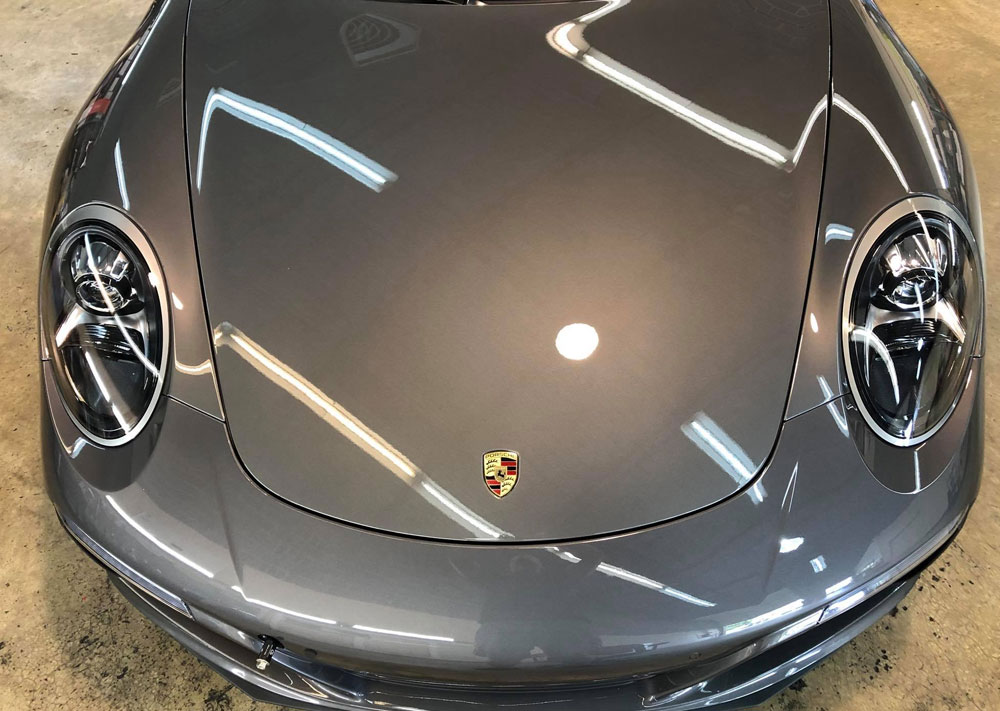
Protecting your car’s valuable paintwork is a year-round duty, but it can be especially challenging during the winter. Wintry weather combined with more traffic can result in chipping, dents, faded spots, and other forms of damage by the time spring arrives.
If you don’t know how to protect your paintwork, it can take a beating over the winter months as it battles snow, ice, damp weather, and road debris.
So, what should you be doing to maintain your paintwork and keep it looking its best in winter? Well, here are some of the things you should do:
Install paint protection film.
Paint protection film is a clear, long-lasting coating applied directly to your car’s surface. Initially designed for military usage to protect helicopter blades, it has now become a popular alternative for automotive enthusiasts and owners wishing to protect their vehicle’s shine.
PPF is intended to protect your vehicle’s paint from scratches, chipping, and other minor forms damage caused by road debris and environmental factors.
PPF installation involves applying the film to the vehicle’s surface, usually starting with the most vulnerable areas, such as the hood, fenders, and bumpers. The film is tailored to your vehicle’s specific features, providing a smooth, practically unnoticeable layer of protection.
Winter poses several obstacles to vehicle maintenance. Here’s why paint protection film is instrumental during the colder months.
Protection against road salt and chemicals
Road salt is one of the most serious hazards to your automobile’s paint during the winter. Salt is vital for melting ice and preventing slippery roads, but it can corrode your vehicle’s paint and metal parts.
Paint protection film acts as a barrier, protecting your vehicle from the harmful effects of road salt and other winter chemicals.
Defense against debris and gravel
Winter driving often involves coping with loose gravel and debris on the road. These can cause chips and scratches in your car’s paint. PPF creates a protective coating that absorbs the impact of these particles, helping preserve your paintwork.
Prevention of paint fading and discoloration
The sun’s ultraviolet (UV) rays can degrade your car’s paint over time. While this is usually a worry in the summer, winter light exposure can also contribute to fading. PPF offers UV resistance, helping keep your car’s color and shine even in the winter months.
Keep the car clean
If you allow dirt and debris from severe weather to accumulate on a car’s surface, the paintwork can typically fade and become uneven. In certain situations, these deposits can even cause corrosion, especially if you ignore them for an extended period.
The easiest way to avoid this problem is to wash your car regularly during the winter.
You should note that a good wash before the worst of the weather hits will help prevent dirt and debris from remaining on your paintwork for long, reducing the risk of potential problems. It’s also a good time to check your paintwork for any underlying problems.
To wash your car, rinse it thoroughly, then mix warm water and car shampoo in a large bucket. Then, using a clean sponge, begin working your way around the car’s exterior from top to bottom. Always clean the wheels last, since they are typically the dirtiest part of a car, then thoroughly rinse everything.
Apply wax
As a best practice, you should apply wax to your car at least twice a year — once in spring, ahead of summer, and again in fall, before the harsh weather makes its first appearance. This will add a layer of protection against everything winter throws at your vehicle, keeping it appearing clean, bright, and scratch-free for longer.
For a great experience, use a strong auto wax. You should apply the wax after washing your car’s exterior since it provides the best protection for the paintwork. You should work the wax in small parts at a time and buff it to a high shine.
Cover your car
When possible, park your vehicle in a covered place such as a garage or carport. This adds an extra layer of protection against winter elements, reducing exposure to snow, ice, and cold.
If you don’t have access to a garage or an enclosed shelter, consider purchasing a high-quality car cover. It will protect your paint from snow, ice, and freezing rain, all of which can be detrimental if left untreated. Look for a ventilated cover to avoid moisture buildup, which can lead to mold and mildew.
As a rule of thumb, avoid parking in the roadway. Plows and salt trucks will operate around the clock to keep the roadways clear during winter. You do not want snow and salt dumped on your vehicle, do you?
Parking on the street also exposes the car to damage from other vehicles traveling on the slippery road. To protect the paint and the entire vehicle, park in a garage or driveway.
Coat your car with ceramic.
Ceramic coatings will make cleanup considerably easier during the winter months, when time is limited on those rare mild days. It will also act as a protective barrier against the harsh weather.
This is because ceramic coatings have hydrophobic and self-cleaning qualities.
These qualities give your automobile paint a permanent layer of protection by forming a chemical bond with it, helping it repel not only water but also oils, fallout, dirt, muck, road filth, and other buildups from accumulating on your car’s surface during the winter.
Parting shot
Here are some of the steps you should take to protect your car’s paint from winter damage. Besides visiting a protective car film shop Springfield and having your protective car film installed, you should be ultra-cautious when driving.
When driving, maintain a safe distance from other vehicles. The closer you travel to different automobiles, the more grit, mud, and other particles will rise from the road and adhere to your paint.
Allowing more distance between you and other vehicles should reduce this issue.
When you maintain a distance, you’ll be more conscious of your braking distance and can better anticipate what other drivers will do, which is always a plus.